GLP2-T Overview
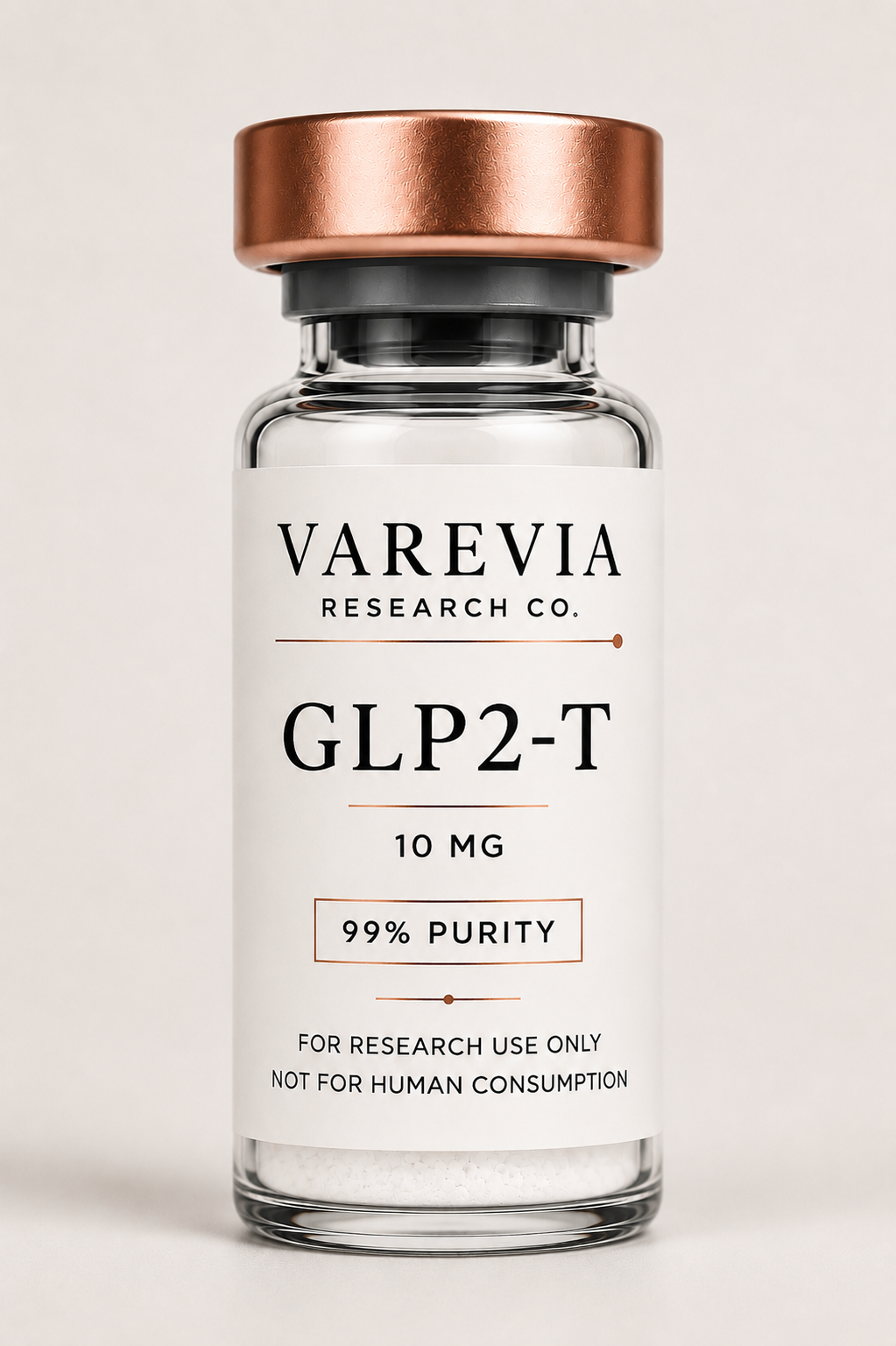
GLP2-T is a synthetic, structurally modified analog of naturally occurring Glucagon-Like Peptide-2 (GLP-2), supplied as a lyophilized powder for controlled research workflows and cellular assays. Kiyora supplies GLP2-T strictly for laboratory and research use only. This content is presented for educational and informational context and is not intended as medical advice or a therapeutic claim.
What Is GLP2-T?
GLP2-T is a peptide analog engineered with structural alterations (typically a single amino acid substitution at the N-terminus) to confer resistance against rapid enzymatic degradation by dipeptidyl peptidase-4 (DPP-IV). This stabilization extends the compound's half-life in experimental settings, allowing researchers to study prolonged receptor engagement compared to native GLP-2.
How Does GLP2-T Work?
Research to date has discussed GLP2-T in connection with the GLP-2 receptor (GLP-2R), a G-protein-coupled receptor predominantly expressed in the gastrointestinal tract. While exact mechanisms remain under ongoing scientific investigation, the compound is frequently referenced in laboratory literature for the following areas:
Epithelial Proliferation & Apoptosis In cellular assays, stabilized GLP-2 analogs are utilized to observe sustained trophic signaling, cellular proliferation, and the inhibition of enterocyte apoptosis in intestinal cell models (such as Caco-2 cell lines).
National Institutes of Health (NIH) | (.gov)
Receptor Kinetics & Signaling Researchers use GLP2-T to study temporal signaling profiles, evaluating how structural resistance to DPP-IV alters downstream intracellular responses, such as cyclic AMP (cAMP) accumulation.
Barrier Function Analysis Experimental models reference GLP-2 analogs in the investigation of tight junction protein expression and the modulation of mucosal barrier integrity.
GLP2-T Research
The following topics reflect areas where GLP-2 analogs have been discussed in research literature and educational summaries. This section is for informational and laboratory context only.
-
GLP2-T and Cellular Proliferation: The product is best described as a research supply for studying enterocyte biology and growth factor pathways.
-
GLP2-T and Receptor Assays: It is commonly referenced in relation to GLP-2 receptor binding, specificity, and cellular signaling cascades.
Technical Specifications
-
Compound: GLP2-T (Stabilized GLP-2 Analog)
-
Presentation: Lyophilized solid
-
Category: Research Peptides
-
Use: Laboratory research use only
Handling and Storage
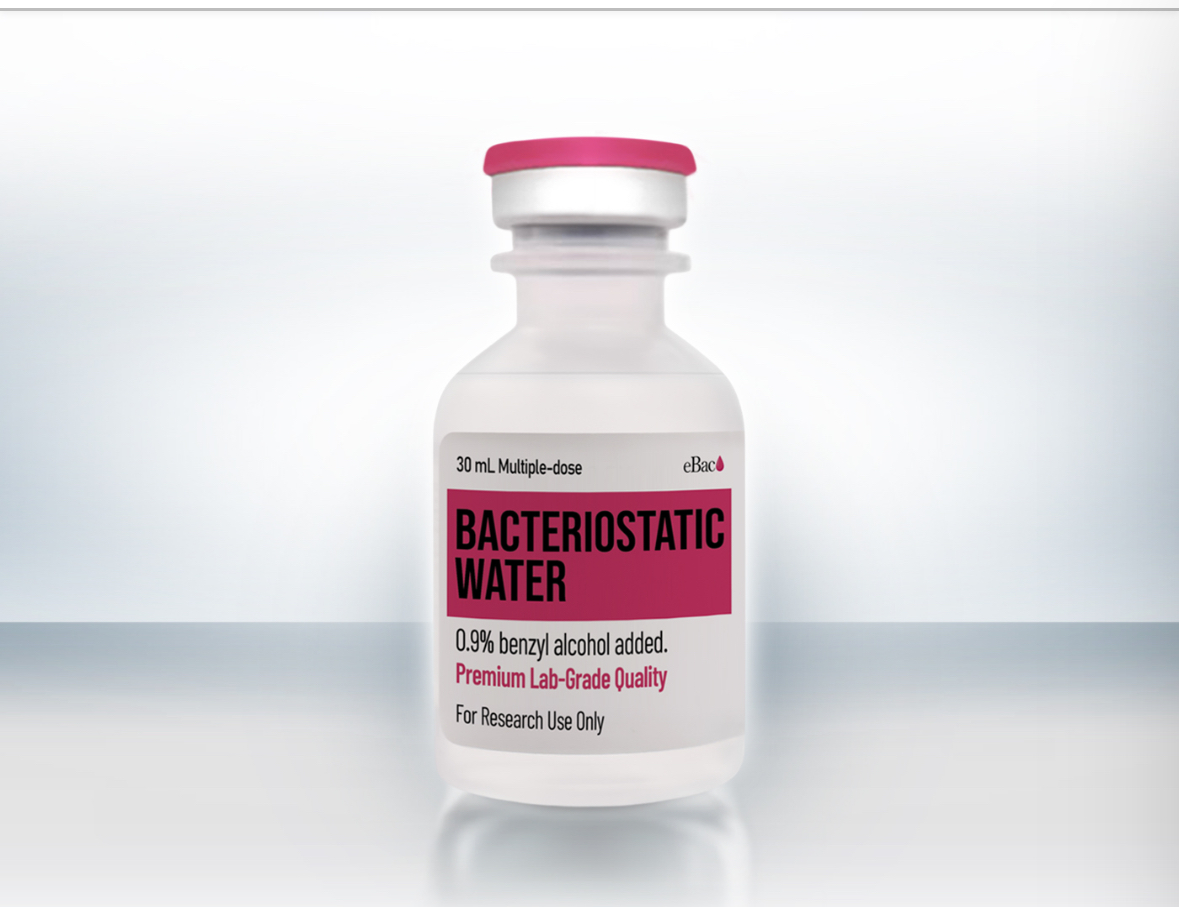
Store the lyophilized peptide under appropriate laboratory conditions, ideally at -20°C (or -80°C for long-term storage). Protect from excess heat, direct light, and moisture, and follow standard sterile handling procedures. Reconstitute using an appropriate sterile diluent (such as Bacteriostatic Water) immediately prior to laboratory use. Once reconstituted, store liquid aliquots at 2°C to 8°C for short-term handling, or freeze at -20°C. Avoid repeated freeze-thaw cycles to prevent degradation of the peptide sequence.
COA (Certificate of Analysis)
Every batch of GLP2-T is subjected to rigorous analytical testing to ensure research-grade quality and reproducibility in sensitive experimental models:
-
HPLC Purity: Assessed at ≥98% to verify the absence of synthesis truncations, ensuring reduced signaling noise in assays.
-
Mass Spectrometry (MS): Molecular weight verification confirming the exact structural identity and amino acid sequence of the analog.
-
Endotoxin Testing: Verified via LAL (Limulus Amebocyte Lysate) assay to ensure endotoxin levels remain below critical thresholds, preventing unwanted inflammatory responses in in vitro cell cultures.
Disclaimer
This information is for educational and informational purposes only and does not constitute medical advice. This product is intended strictly for laboratory and research use only. It is not a drug, not for human or veterinary use, diagnostic use, therapeutic use, or personal consumption.
All research should be conducted by qualified professionals using appropriate oversight, laboratory controls, and applicable institutional standards. Users should independently review and verify all information from trusted scientific sources before relying on it in any research context.










Reviews
There are no reviews yet.